
Building bricks
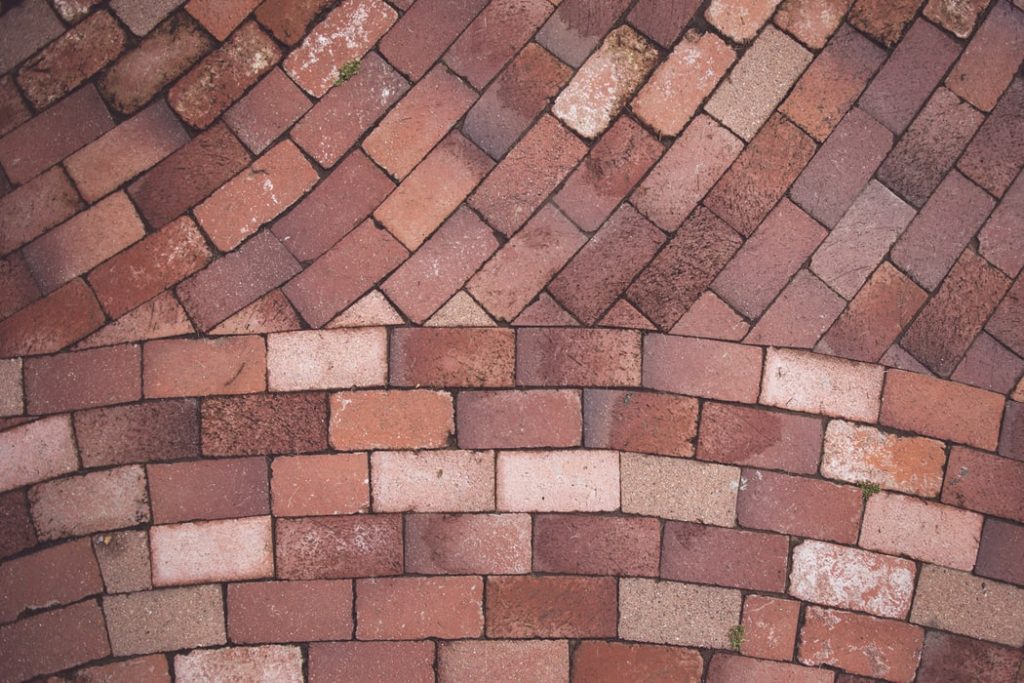
Bricks are building materials that are used to make walls, pavements and other elements in masonry construction. The term brick referred to a substance composed of clay, but lately, it is now used to denote rectangular substances made of clay-bearing soil, sand, and lime, or concrete materials. Bricks are usually joined together using cement, adhesives or by interlocking them. There are two basic categories of bricks and they are fired and non-fired bricks.
How is Cement Made?
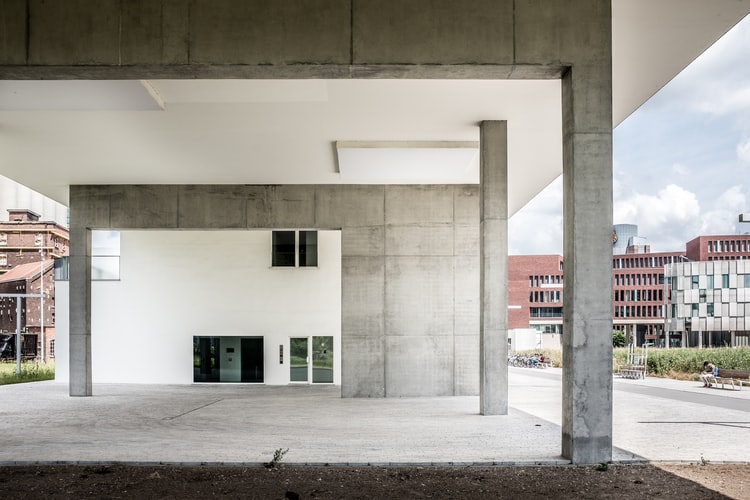
Almost everyone knows that cement is a substance used during construction that sticks to other materials to bind them together in an almost permanent bond. Cement is rarely used on its own but is used to bind sand and gravel together.
Ceramic flooring

Ceramic tiles are the kind which contain a mixture of clays and other natural materials. They are mainly used in residences, restaurants, offices. They can also be used as bathroom wall and kitchen floor surfaces. They are easy to install, to clean, to maintain and are available at not so over the top prices.
What is Marble Flooring
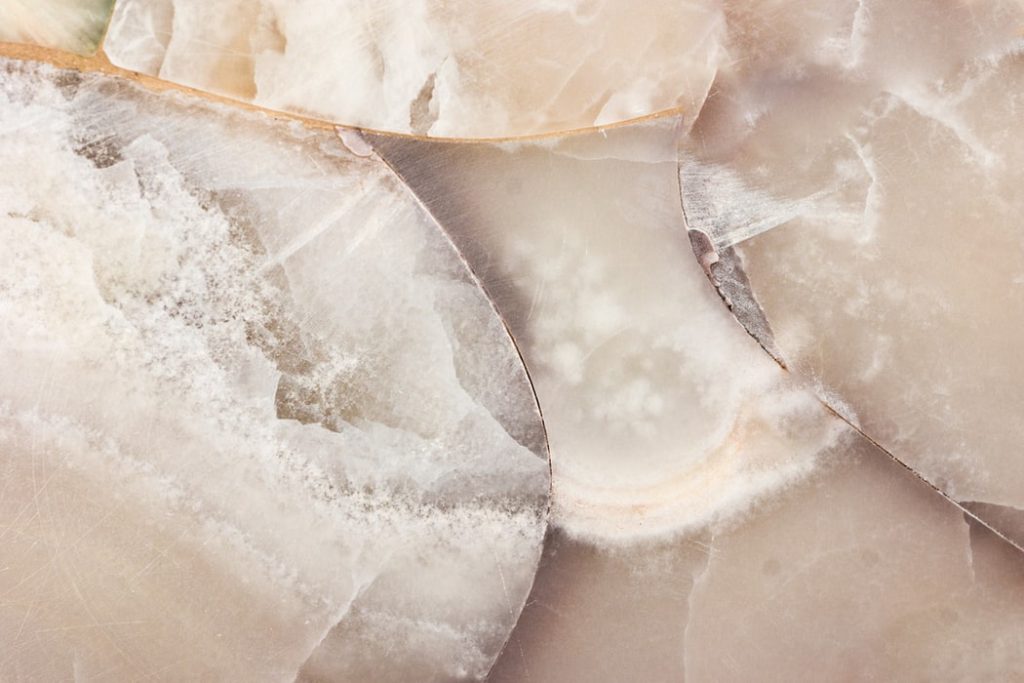
What is Marble Flooring Marble is a form of natural stone which when properly finished can be transformed into beautiful flooring or tiles. Marble flooring is perceived to be one of the most luxurious and sophisticated floorings to install in a home and gets you to a higher level of class. Marble has different types which bring out different looks to a foyer, hallway, bathroom, or any room where it is placed and there are thousands of different types of marble in almost every color imaginable. Marble is a very highly chosen natural stone that is quarried and cut into slabs or tiles for a large variety of residential and commercial building complexes, including countertops, floors, and wall tiles. It is a form of metamorphic rock that is made when a sedimentary stone is transformed under heat and pressure into a harder stone with beautiful and aesthetic color and veined patterns. Marble is confused with granite many times, however, granite is an igneous rock derived from volcanic magma, unlike marble which is not layered sedimentary rock. Granite typically has a pebble type or spotted color pattern, whereas marble generally has a wavy veined pattern. Maintenance and Repair Once the marble flooring is installed, routine maintenance of the same is relatively easy, it requires the same kind of sweeping and damp mopping you would do with a ceramic tile floor throughout your home. However, unlike ceramic tile, marble is pretty porous which inturn means you shouldn’t allow water to puddle and stand on the surface for too long as standing water can penetrate the stone and discolor it. Even though it is technically a stone, marble is actually a relatively soft material that can be scratched and chipped easily under the wrong conditions. This is true if the material has been polished, as the imperfections will be more noticeable on the smooth surface. A disadvantage is that unfortunately, scratches cannot be easily repaired without replacing the damaged material entirely. Design The main advantage of using a marble floor tile is that it instantly elevates the appearance of a room, giving it a regal look that is hard to imitate. The plus point is that marble is available in multiple colors, and even in beautiful multicolor mixes, providing a large variety of options for a variety of decorative schemes. Tiles can also be cut to different shapes like rectangles, and triangles of varying sizes in order to create complex mosaic installations. Should you choose marble flooring? In our opinion, no other flooring tile conveys elegance and class better than that of marble, but marble is a temperamental stone that requires a lot of care when installing it and when caring and maintaining for it afterward. It’s better to do your research of its limitations before you spend the money on marble flooring.
Deep clean your kitchen

Getting your property ready after a tenant moves out can be a real chore, especially cleaning the kitchen can be a nightmare. Here are a few guidelines to clean the kitchen from top to bottom.
What are granite tiles?
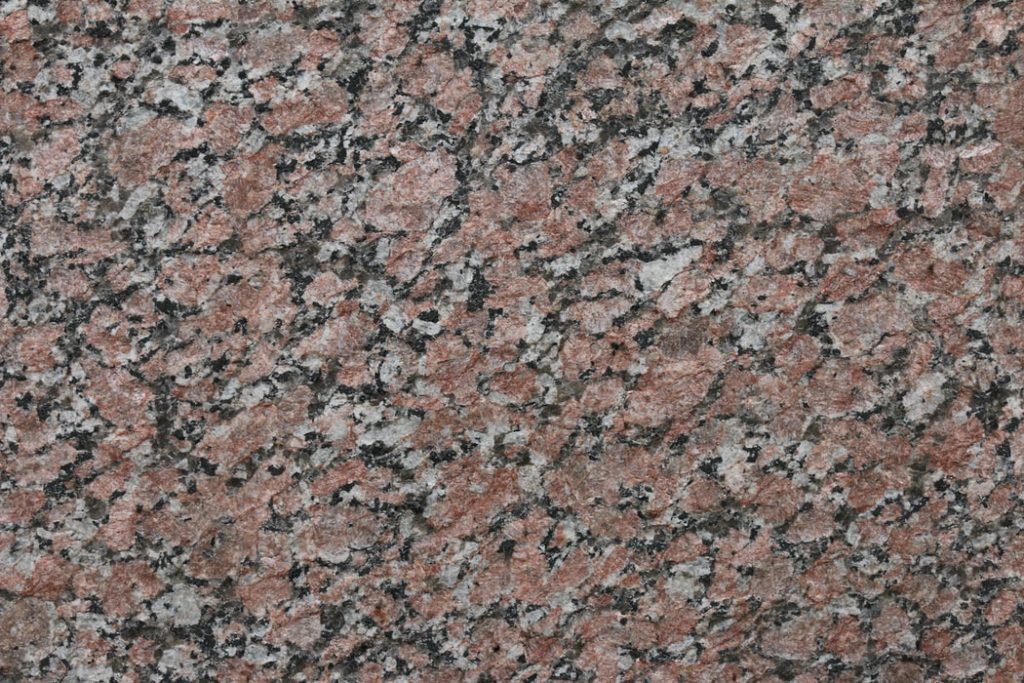
Granite is a fairly common type of igneous rock that has a granular and phaneritic texture and nature. Granites can be predominantly white, pink, or gray in color, depending on the minerals present or their “mineralogy”. The word “granite” comes from the Latin granum, which means a grain, in reference to the granular structure of such a completely crystalline rock. Strictly speaking, granite is an igneous rock which has in between 20% and 60% quartz by volume.
What are Vitrified tiles?
Vitrified tiles or flooring is a form of non-porous ceramic tiles. A lot of people remain confused because the tiles are often considered as an alternative to marble and granite tiles or flooring. Vitrified tiles are long-lasting, are of low maintenance and are scratch resistant tiles. These properties are what make them the best option for corporate buildings and homes in the present day. Vitrified tiles have a plethora of varieties and are able to retain their shine for a long time. The material on the tiles resembles natural marble which adds to their overall aesthetic appeal since people do prefer the look which a marble tile/ flooring brings.
COVID-19 – Precautions for Senior citizens

There is a lot of uncertainty going on in the world with the COVID-19 pandemic, especially regarding the precautions to be taken by senior citizens. Although anyone can get COVID-19, seniors are more susceptible to get the more serious end of the disease.
Tips to digging a borewell

Before digging the borewell, it is important that you do some research and ground work. Enquire about borewells in the surrounding sites/area or construction sites. Find out the depth at which the nearby borewells had to be dug to get water and how many inches of water they struck.
How regularly should we paint the inner walls of our house?

Some walls in your house need to be painted more frequently than others due to daily beating it takes. For example, if you only eat in your dining room a couple times a year during the weekends, you won’t need to paint the walls as regularly as those found in your kitchen, corridors, or bathroom.